-
Products
-
Lab Instruments
Titration Systems Other Instruments
-
Lab Meters and Probes
Calibration Standards Other Meters and Probes
- Chemistries, Reagents, and Standards
-
Online Analyzers
EZ Series Analysers
- EZ Phosphate
- EZ ATP
- EZ Alkalinity
- EZ Aluminium
- EZ Ammonium
- EZ Arsenic
- EZ Boron
- EZ COD
- EZ Chloride
- EZ Chromium
- EZ Colour
- EZ Copper
- EZ Cyanide
- EZ Fluoride
- EZ Hardness
- EZ Hydrogen Peroxide
- EZ Iron
- EZ Manganese
- EZ Nickel
- EZ Nitrate
- EZ Nitrite
- EZ Phenol
- EZ Sample Preconditioning
- EZ Series Accessories & Parts
- EZ Series Reagents
- EZ Silica
- EZ Sulphate
- EZ Sulphide
- EZ Total Nitrogen
- EZ Toxicity
- EZ Volatile Fatty Acids
- EZ Zinc
- EZ sc Series Additional Analyzers
- EZ sc Series Inorganics
- EZ sc Series Metals
- EZ sc Series Nutrients
- Flow and Collections
-
Online Sensors and Controllers
Nitrate Sensors Flow
- EM950 Sensor for FH950
- FH950 Handheld Flow Meters
- FLO-DAR AV Sensor with optional Surcharge Velocity Sensor
- Impeller Flow Sensors
- Multiparameter Online Panels
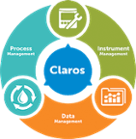
- Claros Water Intelligence System
- Test Kits & Strips
-
Microbiology
Prepared Media
- BARTS
- Liquid MPN
- MUG Tube
- Membrane Filtration
- Paddle Testers
- Presence-Absence
- Total Count Media
- Yeast and Mold
Labware- Accessories
- Funnels, Pumps & Manifolds
- Microbiology Filters
- Petri Dishes & Accessories
- Sampling Bags
- Vials, Tubes, Bottles & Racks
-
Lab Equipment and Supply
ApparatusInstruments Glassware/PlasticwareGeneral Lab Consumables Safety Equipment Books and Reference Material
- Samplers
- Industrial UV
- Electrochemistry
-
Lab Instruments
- Parameters
- Industries
- Support
- Service
- e-Shop
- Brands


Login


 Recurring Orders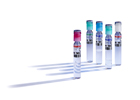
Phosphorus
Why Phosphorus Testing, Measurement and Analysis Matter to Water Quality
Measuring phosphate in wastewater effluents and source water is critical to maintaining a healthy ecosystem and protecting wildlife. High levels of phosphates can accelerate types of algae and plant growth. This in turn can lead to eutrophication and algae blooms. When this occurs, fish and aquatic life are robbed of oxygen.
Failing to sufficiently measure and monitor phosphate levels can have a variety of adverse outcomes including the following:
- Violations of strict phosphate discharge limits that could result in fines
- Corrosion in drinking water distribution systems
Hach ® offers a variety of testing, measurement and monitoring solutions that are designed to keep you in compliance and give your operators the knowledge they need to make treatment decisions.
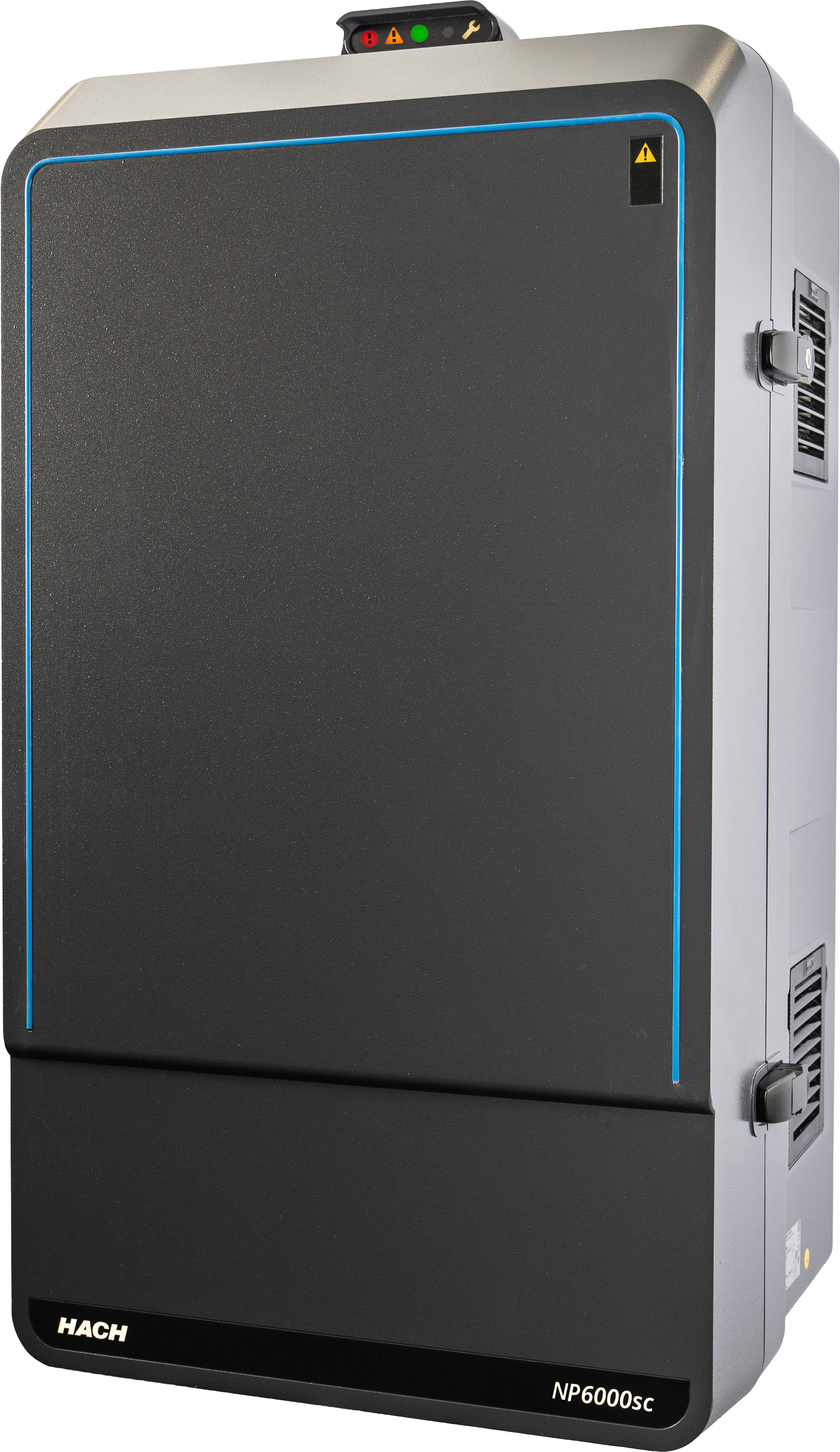
Phosphate Analysers
The TU5 Series employs a patented optical design that sees more of your sample than any other turbidimeter, delivering the best low level precision and sensitivity while minimizing variability between measurements. Remove uncertainty of which measurement to trust between your lab and process instruments, thanks to identical 360° x 90° Detection Technology.
EZ Series Total Phosphorus Analyzers
The EZ Series Online Analyzers offer multiple options to monitor total phosphorus in water.
EZ Series Phosphate Analyzers
The EZ Series Online Analyzers offer multiple options to monitor phosphate in water.
5500sc Phosphate Analyzer
The 5500 sc Phosphate Analyzer requires only 2 liters of reagent for the analyzer to perform unattended for up to 90 days; twice as long as the predecessor Series 5000 instruments.
Spectrophotometers
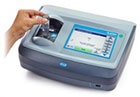
Hach is an innovator in spectrophotometry and offers many of the leading spectrophotometric instruments in the water analysis market.
Colorimeters
Whether you are looking for a single parameter testing device such as the DR300, or a more sophisticated hassle-free instrument like the DR900 that can measure many parameters with up to 90 methods, we have a solution.
Which Processes Require Phosphorus Monitoring?
Wastewater Treatment
Phosphorus is an essential nutrient for plants and specifically for algae growth. The discharge of phosphorus, along with other essential nutrients in the wastewater effluent, stimulates algae growth in the streams receiving the wastewater discharge. Algae causes taste and odor problems, is aesthetically unpleasing and most importantly, creates enormous oxygen demand when algal bloom dies off. The depletion of oxygen caused by the dying algal blooms is toxic to fish and causes other significant disruptions to the aquatic environment. For these reasons, regulatory agencies often strictly regulate the amount of phosphorus allowed in wastewater discharges.
The most common methods for removing phosphorus from wastewater are biological removal and chemical precipitation. These processes are typically referred to as tertiary treatment and require phosphorus monitoring.
Drinking Water
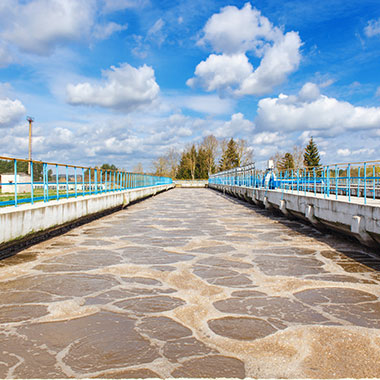
Source water may contain elevated concentrations of phosphates due to agricultural runoff, which may cause eutrophication of surface water with algae growth and release of cyanotoxins. Condensed phosphates are often used for corrosion control in drinking water distribution systems, therefore drinking water treatment processes may require monitoring for phosphate in both raw and distributed finished water.

How is Phosphorus Monitored?
Colormetric Methods (Orthophosphate)
Orthophosphate (reactive phosphorus) is combined with molybdate in an acidic medium to produce either a blue or yellow color. Be aware that no analytical test is perfect and some condensed phosphates may be measured with these tests too. Due to the acidic chemistry, some suspended orthophosphate may be detected if the sample was not first filtered to 0.45 micron.
To measure all phosphorus including the particulate phosphates, it is necessary to use a total phosphorus test, which incorporates rigorous digestion to convert most of the particulate phosphate to dissolved format.
Benchtop/Portable:
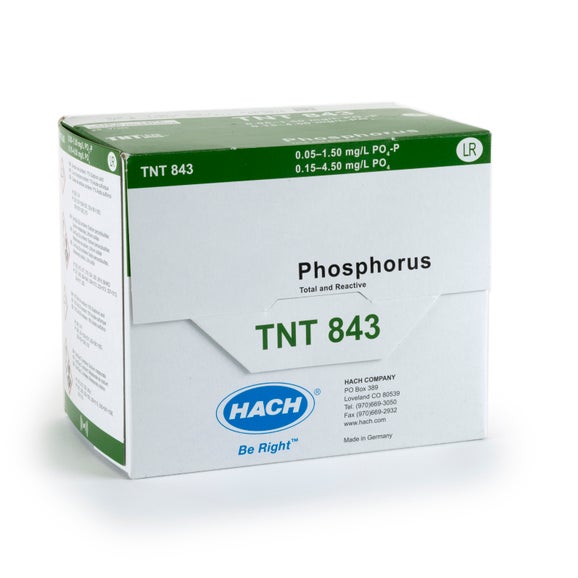
TNT843
Phosphorus TNTplus Vial Tests
Shop Now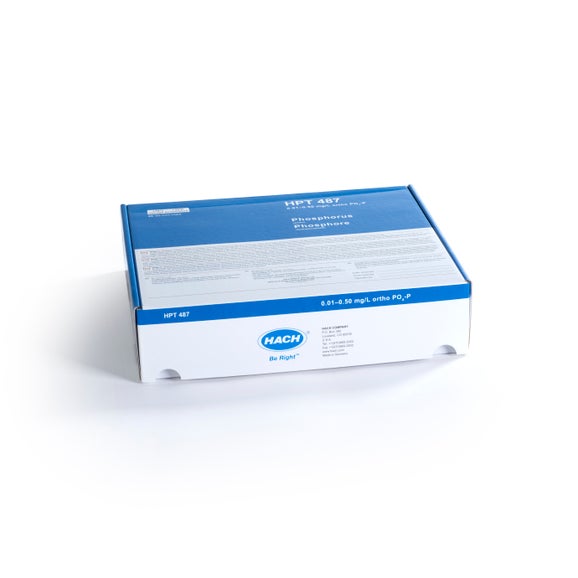
HPT487
Phosphorus reactive Vial Test, ULR (0.01 - 0.50 mg/L PO₄-P), 20 Tests
Shop Now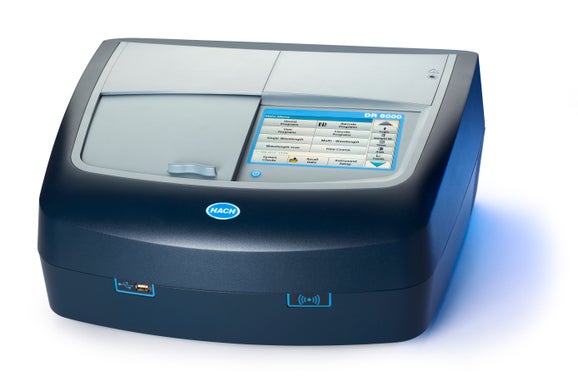
LPV441.99.00012
DR6000 Benchtop Spectrophotometer
Shop Now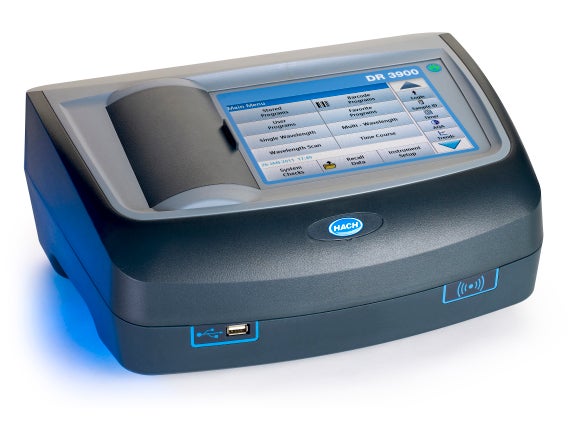
LPV440.99.00002
DR3900 Laboratory Spectrophotometer for water analysis
Shop NowAcid Hydrolyzable Phosphate/Condensed Phosphate
To measure condensed phosphates, it is first necessary to transform them into orthophosphate using sulfuric acid and heat, digesting the sample at 150°C for 30 minutes. This is called “acid hydrolyzable phosphate” since the condensed phosphates are hydrolyzed into orthophosphate. After the digestion, either the ascorbic acid or molybdovanadate methods are used to measure the orthophosphate. Some organic phosphate will be hydrolyzed into orthophosphate as well, so the results are not “pure” condensed phosphate.
Of course, just performing the digestion and colorimetric test will tell you the concentration of both the original orthophosphate and condensed phosphates. If you want just the condensed phosphate concentration, then simply run the orthophosphate test on the same sample without a digestion and subtract those results from the first concentration value.
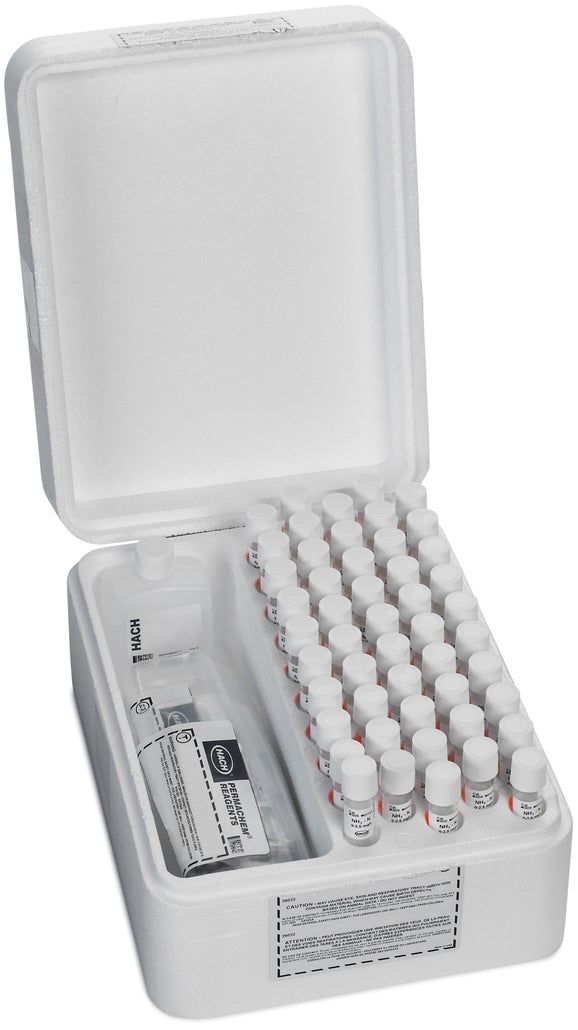
2742745
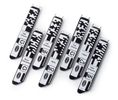
Phosphate TNT Vial Test
Shop NowTotal Phosphorus/Organic Phosphate
Organic phosphates are stubborn compounds that do not like to break down easily. To test for them, it is necessary to not only digest the sample first with sulfuric acid and heat, but also add a strong oxidant such as potassium persulfate to break the orthophosphates free from the organic bonds. After digestion, the same ascorbic acid or molybdovanadate methods can be used to measure the phosphate concentration. The described test will convert all the different forms of phosphate into orthophosphate, which means the results are total phosphorus.
If you want to know only the organically bound phosphate concentration, it is necessary to perform the acid hydrolyzable test and subtract those results from the total phosphorus concentration (total phosphorus concentrations will always be larger than the orthophosphate concentration).
Benchtop:
Frequently Asked Questions
What is phosphorus?
What is phosphorus?
Phosphorus (P) is a chemical element with an atomic number of 15 and an atomic mass of 31. Due to its high reactivity, phosphorus does not naturally exist as a free element. Phosphorus generally occurs as phosphate in minerals. Phosphate is typically found in the Earth’s crust at a concentration of about 1 gram per kilogram.
The two types of elemental phosphorus are white phosphorus and red phosphorus. When exposed to oxygen, white phosphorus emits a faint glow caused by oxidation (also known as chemiluminescence).
Phosphorus belongs to the pnictogen group of elements which consists of nitrogen, phosphorus, arsenic, antimony, bismuth and ununpentium (recently assigned the name moscovium). These elements are grouped because of their similar atomic structure, which lends them the ability to form stable compounds due to their tendency to form double and triple covalent bonds. Except for nitrogen (which remains a gas), the other pnictogens are solids at room temperature.
Complex organisms such as plants and animals need phosphorus because phosphates are a component of DNA, RNA, ATP and phospholipids. Phosphorus is mined for use in detergents, pesticides, nerve agents and predominantly fertilizers.
Phosphates/Orthophosphate
In orthophosphate (one of the most common phosphates), one phosphorus atom is bonded to four oxygen atoms. Orthophosphate is sometimes called “reactive phosphorus” because it bonds easily with other electron-deficient elements and compounds since the three “extra” electrons on the oxygen atoms strongly want to bond with protons alike.
Condensed Phosphates
Condensed phosphates are multiple orthophosphate molecules “condensed” together and sharing a covalent bond between adjoining phosphorus (P) and oxygen (O) atoms. This group includes metaphosphate, pyrophosphate and polyphosphate — which are often used for corrosion control in drinking water distribution systems.
Total Phosphorus/Organic Phosphorus
Total phosphorus is a sum of all the phosphorus present: orthophosphate/phosphates, condensed phosphates and organic phosphorus. Organic phosphorus is usually present in the form of phosphates contained inside or bonded to an organic compound.
Why does Hach have so many phosphorus meters?
Hach has several online phosphorus analyzers to address the needs of several applications and their unique requirements.
Phosphax sc is the standard for municipal Wastewater applications with its robust sampling system and outdoor enclosure.
5500sc Phosphate Analyzer is an ideal solution for power applications, providing accurate and reliable phosphate measurements in the low range where precision is crucial.
EZ Series analyzers offer you the ultimate in flexibility, with three analytical methods, a variety of measuring ranges, and multi-stream capabilities (up to 8 channels).
What is the difference between reactive, acid hydrolyzable, and total phosphorus?
Phosphorus exists in water almost solely as phosphates, which can be dissolved, attached to particles or found in aquatic organisms (bound to organic compounds). Phosphorus levels in natural waters, such as lakes and streams, are typically very low. Elevated phosphorus levels may indicate contamination from raw or treated wastewater, agricultural discharge or industrial waste. Some drinking water plants also add small amounts of orthophosphate or condensed phosphates during post-treatment for corrosion control. Orthophosphate is the simplest form of phosphorus to measure but total phosphorus is considered the best indicator of phosphorus levels in water because it measures all forms.
Phosphates can exist in form of orthophosphate (PO43-) or in larger molecules as condensed phosphates, inorganic polyphosphates or organic phosphates.
Orthophosphate is often referred to as "reactive" phosphorus because it is the only type of phosphorus that will react directly with colorimetric phosphate reagents. Orthophosphate is used by plants, bacteria and algae and is considered a limiting nutrient in water testing.
Condensed phosphates (also called meta, pyro or polyphosphates) have two or more orthophosphate groups that are linked together. They are strong complexing agents and are widely used in treatment systems for boiler water and are also found in many detergents. To measure condensed phosphates, the sample must be analyzed for acid hydrolyzable phosphorus and also orthophosphate: condensed phosphates = acidphosphorus – orthophosphate.
Organic phosphates contain one or more orthophosphate groups that are attached to an organic molecule, such as sugar. They are formed primarily by biological processes and can be found in organic matter such as plant or animal tissue, in sewage from animal or human waste and food residues, as well as in pesticides. To measure organic phosphates, the sample must be analyzed for total phosphorus and for acid hydrolyzable phosphorus: organic phosphates = total phosphorus - acid hydrolyzable phosphorus.
Both condensed phosphates and organic phosphates are not as stable as orthophosphate and naturally break down into orthophosphate over time. Therefore, an orthophosphate test will likely measure a small amount of condensed phosphates and an acid-hydrolyzable test will measure a small amount of organic phosphates.
Phosphorus relationships are summarized below:
orthophosphate (o- PO43-) = reactive phosphorus
Determined using Hach Methods 8048*, 8178* or 8114*.
Total Phosphorus (TP)
= TIP + Organic PO 4 3−
= o‑PO 4 3− + Poly PO 4 3− + Organic PO 4 3−
Determined using Hach Method 8190* or TNT Method 8190*.
TNT+ chemistries TNT843*, TNT844* and TNT845* can be used with method 10209 for orthophosphate or method 10210 for total phosphorus
Total Inorganic Phosphorus (TIP/Acid Hydrolyzable) = o‑PO 4 3− + Poly PO 4 3− (condensed phosphates)
Determined using Hach Method 8180* or Hach TNT Method 8180*.
Organic PO 4 3− = TP − TIP
Determined by calculation only.
Condensed Phosphates (Poly PO 4 3−) = Acid hydrolyzable phosphorus − orthophosphate
Determined by calculation only.
What is the difference between blue method and yellow methods for phosphates?
Reactive phosphorous can be measured colorimetrically using several different chemistries. First, the phosphorous reacts with molybdate in an acidic solution to form a phosphomolybdate complex. For low range measurements, the phosphomolybdate complex is reduced with either an amino acid or ascorbic acid, creating a characteristic molybdenum blue species. High range measurements can be made by reacting the phosphomolybdate complex with vanadium reagent to create a yellow-colored product. Color intensity of both the blue and yellow complexes are proportional to the concentration of phosphorous in the sample.
Can the Phosphax sc analyzer be used in seawater applications?
No, the Phosphax sc cannot be used for seawater applications because this method works only up to 1000 mg/L chloride. The chloride content of seawater is typically above 19000 mg/L.